We use cookies and analytics to improve your experience. You can opt out at any time.
Quick answer
Bike racks are a necessity for most bike owners. Without a bike rack, its very difficult to transport bikes. But how much do they cost?
Disclosure: MyCargoRacks.com is reader-supported. When you buy through links on our site, we may earn an affiliate commission at no extra cost to you. Learn more
When someone asked me "how much does a bike rack cost?" during my time at REI, my honest answer was always "anywhere from $40 to $800, and the right amount to spend depends on questions you probably haven't thought about yet." That's not a satisfying answer when you're standing in an aisle with a credit card, but it's the truthful one.
The bike rack market in 2026 has a wider price range than ever, mostly because e-bikes have pushed the top end higher while budget brands have driven the bottom end lower. This guide breaks down what you actually get at every price point, the hidden costs people forget about, and how to decide whether spending more is worth it for your specific situation.
Let's start with the straightforward numbers. These are typical 2026 retail prices for racks from established brands (Thule, Yakima, Kuat, Saris, Allen Sports, Hollywood Racks).
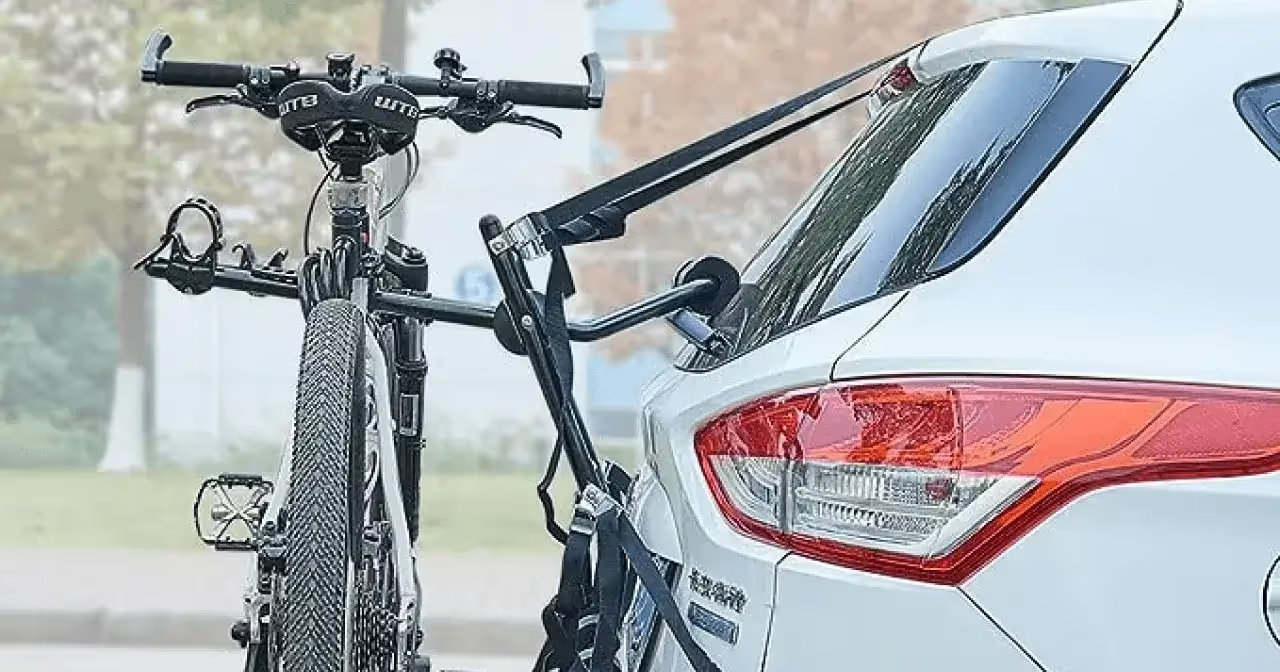
For specific model recommendations at each tier, see our best trunk-mount racks guide.
Our vertical hitch rack buyer's guide compares the best models in each price bracket.
See our spare-tire rack guide for Jeep-specific recommendations.
The price on the box is never the full story. Here's what else you might need to budget for:
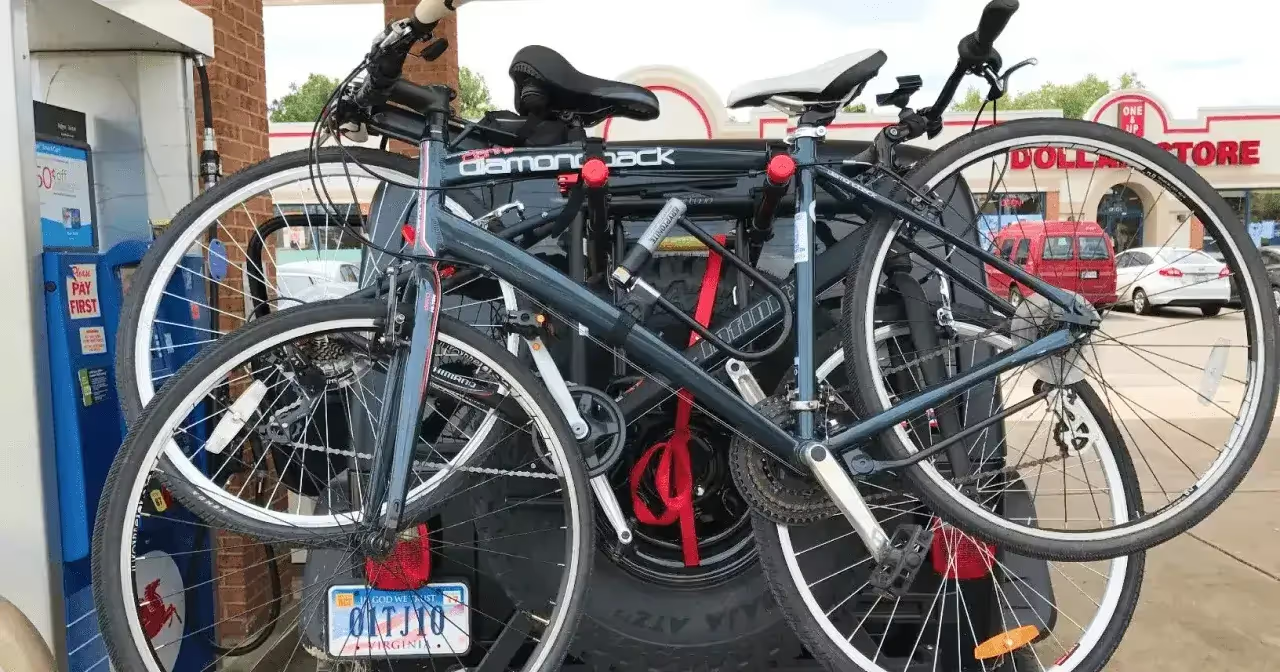
If you choose a hitch-mount rack but your vehicle doesn't have a hitch receiver, you'll need one installed. Parts typically cost $100-$200 depending on the vehicle. Professional installation adds $50-$200. Some DIY-friendly models can be self-installed in an afternoon with basic tools. Even with the installation cost, a hitch rack is often a better long-term investment than a trunk rack that damages your paint.
Most hitch racks include a basic pin and clip. A locking pin prevents someone from pulling the pin and stealing your rack (and bikes) from the receiver. It's a small purchase I'd call essential.
Step-through bikes, some women's bikes, and full-suspension mountain bikes with unusual frame geometry don't hang well on vertical racks. An adapter bar creates a temporary "top tube" for hanging. You might need one per bike.
"The largest hidden cost is buying the wrong rack first and then buying the right one — I watched that happen constantly at REI."
Trunk rack pads compress and straps wear out. Budget for replacements every 1-2 seasons of regular use.
If you're using a trunk rack, applying clear paint protection film to the contact areas on your vehicle is the smartest $30 you'll spend. Far cheaper than touch-up paint or a respray. Learn more about paint protection in our bike rack damage prevention guide.
Most racks secure bikes to the rack, but not with a lock. A cable lock or U-lock that runs through the bikes and rack frame is necessary anywhere you'd leave bikes unattended. Some premium racks include integrated lock cables — one of the perks of spending more upfront.
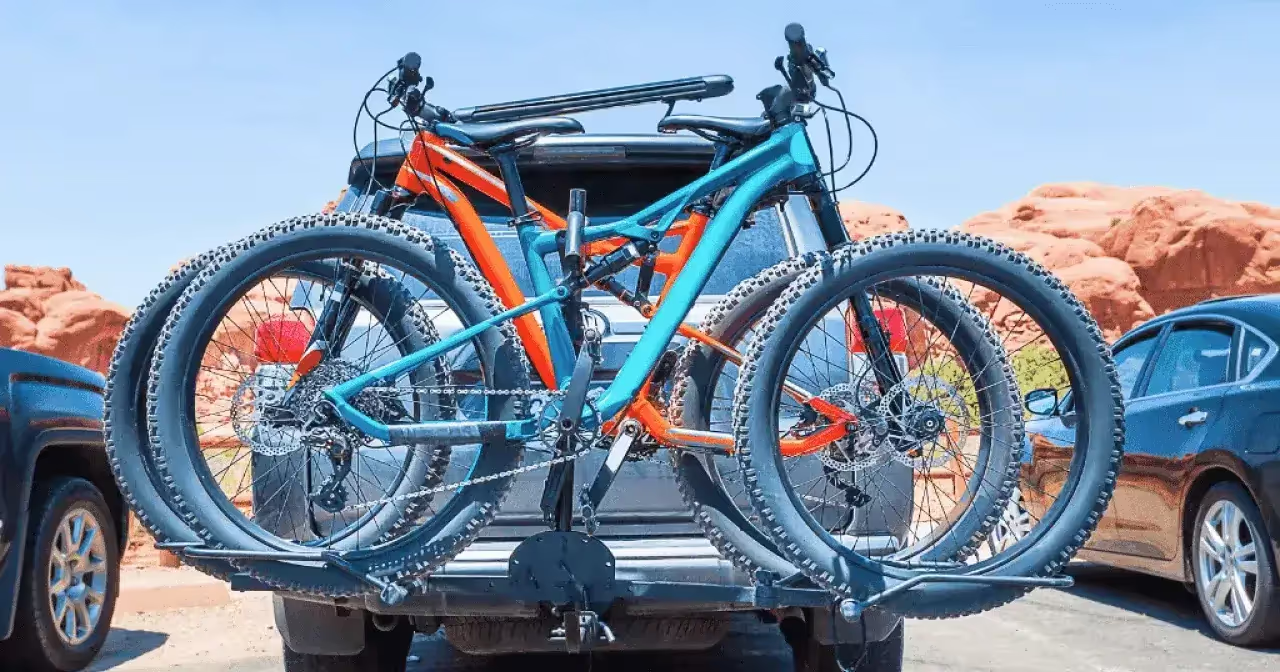
In 2026, the single biggest factor inflating bike rack prices is e-bike compatibility. E-bikes weigh 45-65 pounds each — some cargo e-bikes hit 75 pounds. Most racks under $300 can't safely handle that weight. If you own or plan to buy e-bikes, your realistic rack budget starts at $350 and a comfortable one is $500-$600.
This stings, but the engineering reality is that carrying 120+ pounds of bikes (two e-bikes) requires heavier-duty materials, stronger tray supports, and beefier hitch connections. Those cost more to manufacture. Skimping here isn't just uncomfortable — it's unsafe.
Used bike racks are widely available on Facebook Marketplace, Craigslist, and occasionally at REI's used gear sales. Here's my honest take:
Bike rack prices follow a predictable seasonal pattern:
The "right" amount to spend on a bike rack depends on three things: what type of rack your vehicle needs, how heavy your bikes are, and how often you ride. A twice-a-year recreational cyclist with standard bikes can spend $60-$150 and be perfectly well served. A weekly rider with e-bikes needs to budget $400-$600 for a rack that's safe and durable. The largest hidden cost is buying the wrong rack first and then buying the right one — I watched that happen constantly at REI.
Take the time to identify your rack type first, then shop within that category's price range with realistic expectations. And if you're on the fence between a cheaper option and a better one, ask yourself: "Will I upgrade within two years?" If the answer is probably yes, buy the better rack now. You'll spend less in the long run.
Related articles
Hand-picked price drops on the racks and carriers we actually recommend. Updated weekly.
Shop today's deals →Newsletter
Get the best rack deals in your inbox
Weekly picks, price drops, and honest reviews. No spam.
Disclosure: MyCargoRacks.com is reader-supported. When you buy through links on our site, we may earn an affiliate commission at no extra cost to you. Learn more