We use cookies and analytics to improve your experience. You can opt out at any time.
Quick answer
There are several different types of bike racks available on the market. Each type has its own advantages and disadvantages which you should consider.
Disclosure: MyCargoRacks.com is reader-supported. When you buy through links on our site, we may earn an affiliate commission at no extra cost to you. Learn more
Walking into the bike rack aisle — whether that's at a retail store or an endless online catalog — can feel overwhelming fast. There are racks that hang off your trunk, bolt into your hitch, sit on your roof, mount to your spare tire, or drop into your truck bed. They range from $40 to $800+. And every single one claims to be the best solution for your needs.
I spent three years as a merchandiser at REI helping customers sort through exactly this confusion, and what I learned is that the "best" bike rack doesn't exist. There's only the best rack for your vehicle, your bikes, your budget, and how often you ride. This guide breaks down all five bike rack types — honestly — so you can match the right category to your situation before you even start comparing brands and models.
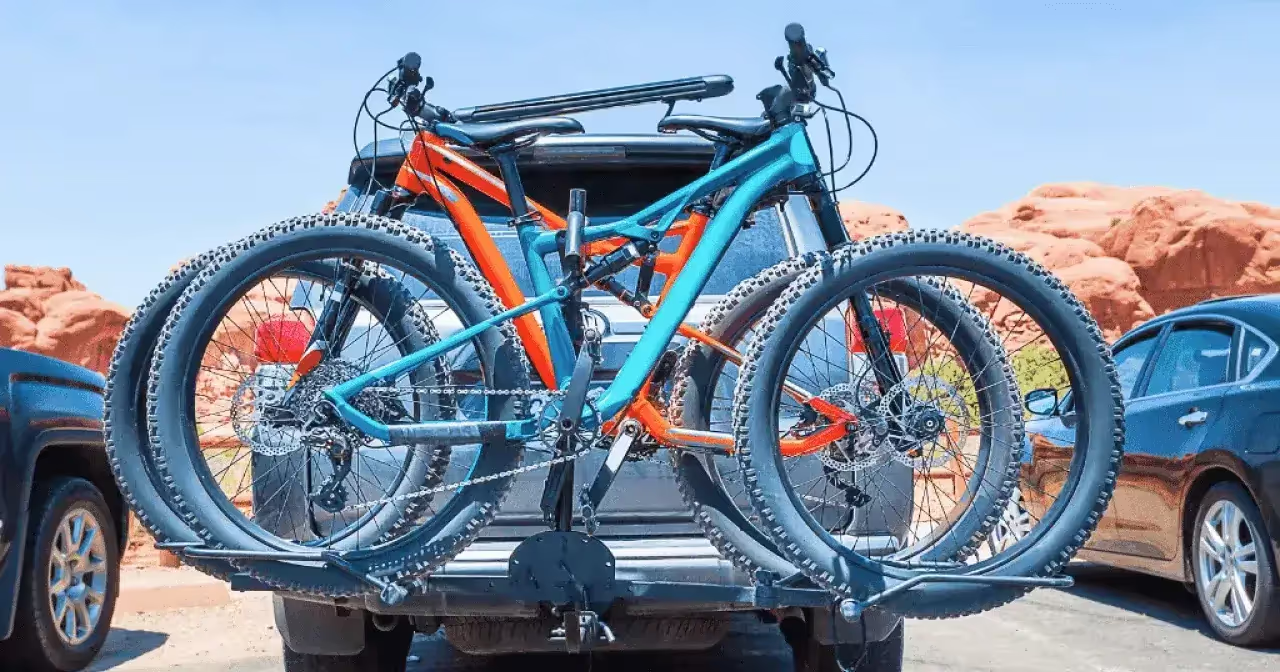
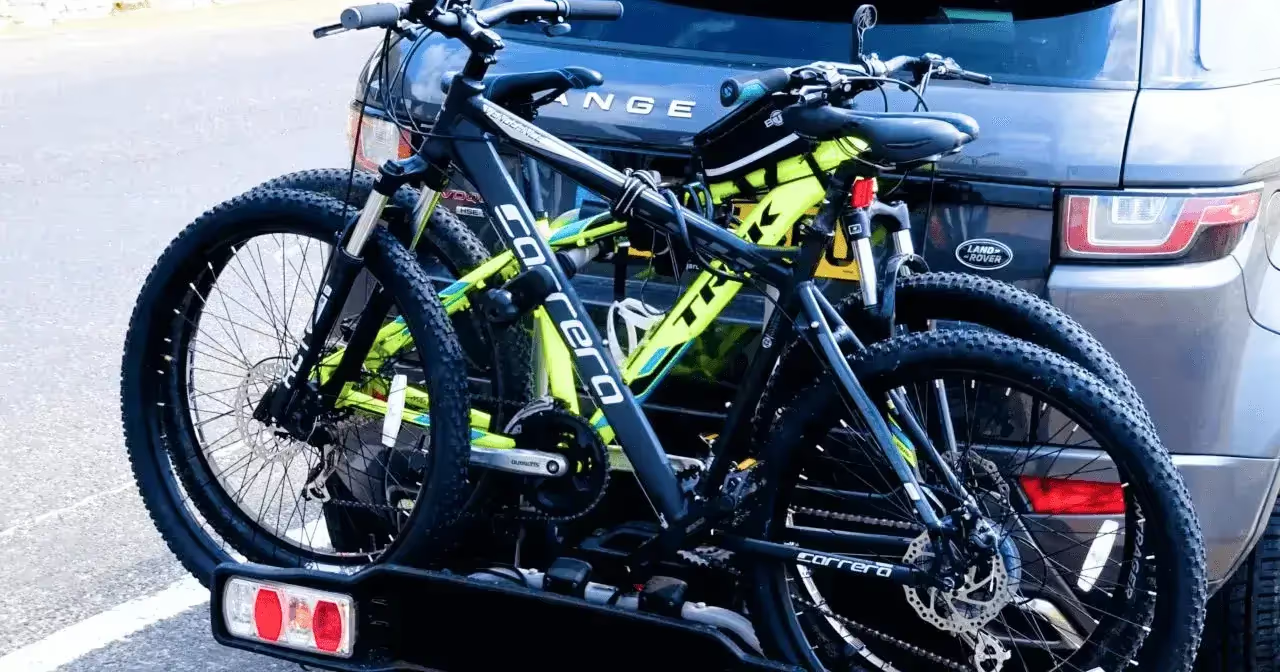
Hitch-mount racks slide into the receiver hitch on the back of your vehicle and are secured with a hitch pin. They come in two sub-types: platform (bikes stand upright on a tray, secured by the wheels) and vertical/hanging (bikes hang from their top tubes on arms). This is the most popular rack category in 2026, and for most people, it's the right starting point.
For a deep dive into the hanging/vertical sub-type, see our vertical hitch bike rack buyer's guide. For pricing across all hitch rack tiers, our cost breakdown guide has the numbers.
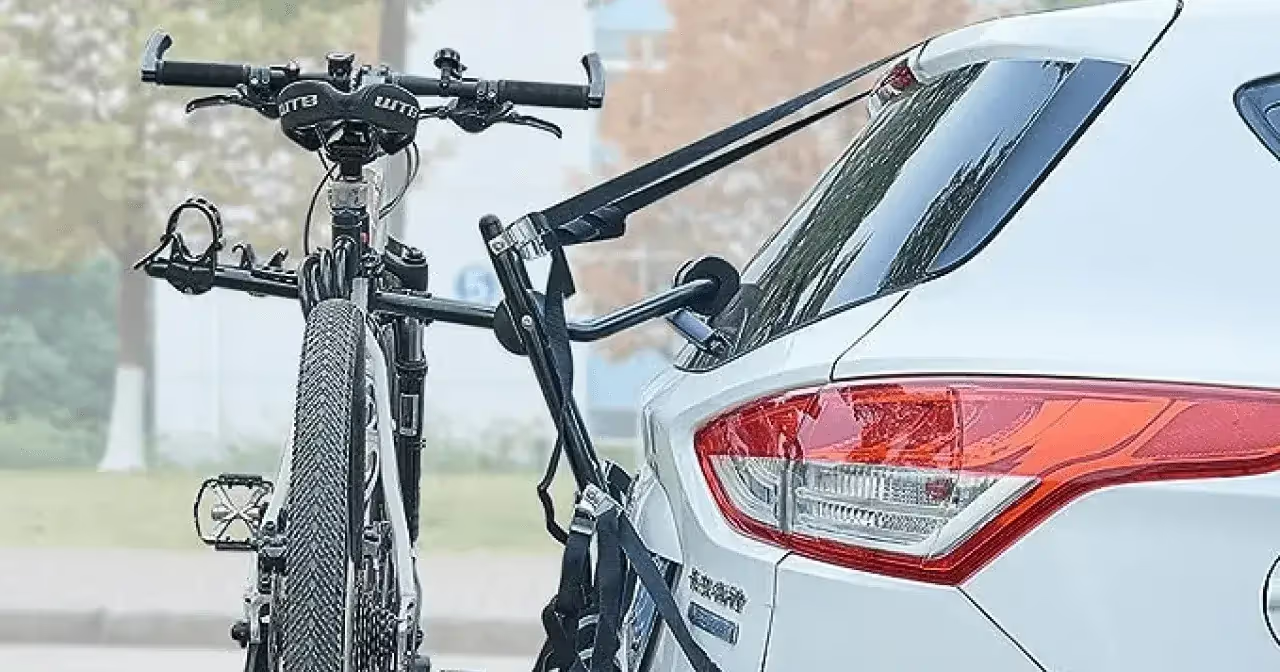
Trunk-mount racks attach to the rear of your vehicle using hooks and straps. They don't require a hitch receiver, which is their primary selling point. Bikes hang from arms, similar to vertical hitch racks.
If trunk racks interest you, our best trunk-mount racks guide covers specific models, including which ones protect your paint best.
"E-bikes have fundamentally changed the bike rack market. Buying a $150 hanging rack now and then replacing it with a $500 platform rack in six months is a $150 lesson I watched customers learn repeatedly."
Roof-mount racks secure your bike to the crossbars on top of your vehicle. The bike sits on the roof, either upright (secured by the front wheel or frame) or upside-down (by the fork, with the front wheel removed). These racks require an existing roof rack system — crossbars at minimum.
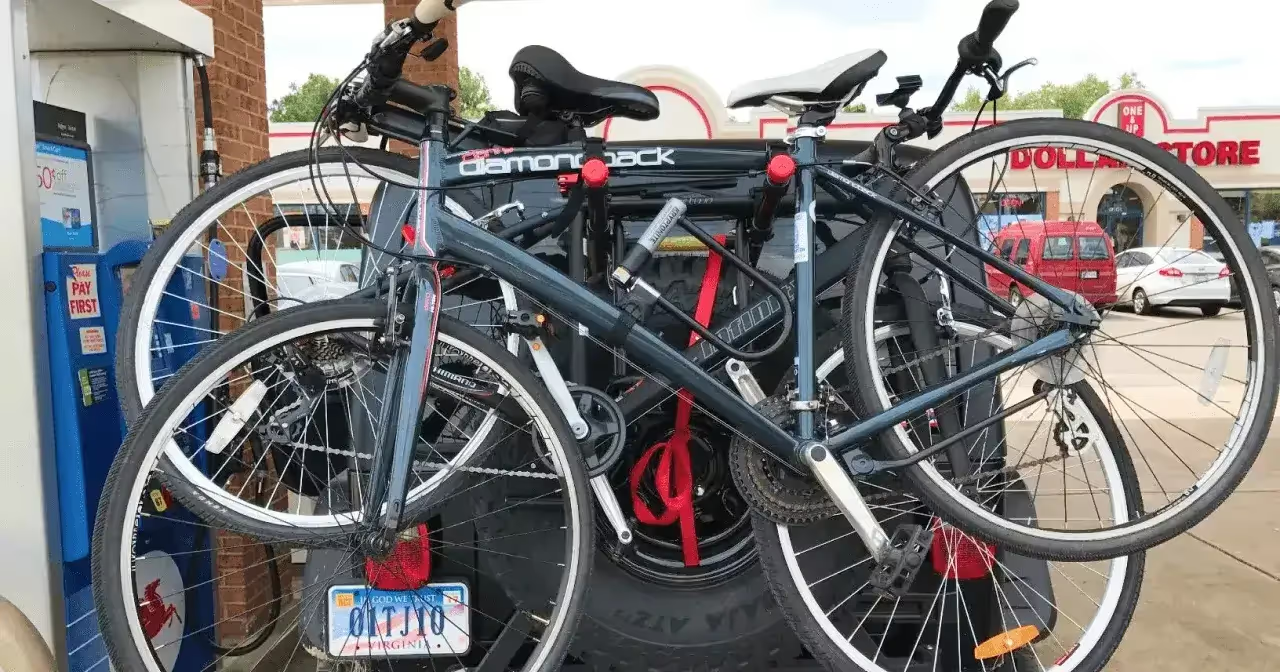
These racks attach to the rear-mounted spare tire found on Jeep Wranglers, Ford Broncos, Toyota FJ Cruisers, and similar vehicles. They bolt through the spare tire's lug nuts or strap around the tire itself.
If this sounds like your vehicle, our dedicated spare-tire bike rack guide for Jeep owners covers everything you need to know.
Truck bed racks mount inside or across the bed of a pickup truck. Designs include fork-mount (front wheel off, fork bolts to a mount), bed rail clamp (secures to the truck bed rails), and over-the-bed bar systems that hold bikes above the bed floor, leaving bed space usable underneath.
After helping thousands of customers, I developed a mental flowchart that I'd walk people through. Here's the simplified version:
Our complete pricing guide breaks down costs by type with specific product examples at every price point.
E-bikes have fundamentally changed the bike rack market. When I started at REI, the average customer's bike weighed 25–30 pounds. Now, e-bike owners walk in with 50–65 pound machines and expect to carry two of them. That's 100–130 pounds of bike weight alone, before the rack itself.
This has made platform hitch racks almost mandatory for e-bike owners. Trunk racks can't handle the weight. Most vertical hitch racks can't handle the weight. Roof racks are physically impractical — nobody wants to lift a 55-pound bike over their head. If you own e-bikes or plan to buy one, factor that into your rack decision from the start. Buying a $150 hanging rack now and then replacing it with a $500 platform rack in six months is a $150 lesson I watched customers learn repeatedly.
Every bike rack type exists for a reason, and none of them is universally "best." Hitch-mount racks win for most people because of their security, ease of loading, and capacity — but they require a hitch. Trunk racks fill the gap for renters and occasional riders on a budget. Roof racks keep the rear clear but demand overhead lifting and height awareness. Spare-tire racks serve a specific vehicle niche. Truck bed racks are the smart choice for pickup owners who want their bikes low and secure.
Start with your vehicle, then your bikes, then your budget. That sequence will guide you to the right type every time. From there, dig into the specific guides for your category — whether that's trunk racks, vertical hitch racks, or spare-tire racks for Jeeps — and find the model that matches your exact setup.
Related articles
Hand-picked price drops on the racks and carriers we actually recommend. Updated weekly.
Shop today's deals →Newsletter
Get the best rack deals in your inbox
Weekly picks, price drops, and honest reviews. No spam.
Disclosure: MyCargoRacks.com is reader-supported. When you buy through links on our site, we may earn an affiliate commission at no extra cost to you. Learn more