Wir verwenden Cookies und Analysen, um Ihre Erfahrung zu verbessern. Sie können jederzeit ablehnen.
Quick answer
Wenn du einen Jeep Wrangler, Gladiator oder irgendeinen Geländewagen mit hecklastig montiertem Reserverad besitzt, weißt du schon, dass die Standard-Fahrradträger-Kauferfahrung für dich nicht ganz...
Hinweis: MyCargoRacks.com ist leserfinanziert. Wenn du über Links auf unserer Seite kaufst, erhalten wir möglicherweise eine Affiliate-Provision – ohne zusätzliche Kosten für dich. Mehr erfahren
Ursprünglich von Hanna Leclair auf Englisch verfasst, übersetzt und für lokale Relevanz angepasst. Inhalt recherchiert und lokalisiert für Deutschland Leser.
Wenn du einen Jeep Wrangler, Gladiator oder irgendeinen Geländewagen mit hecklastig montiertem Reserverad besitzt, weißt du schon, dass die Standard-Fahrradträger-Kauferfahrung für dich nicht ganz passt. Das Reserverad an deiner Heckklappe verändert alles — vom Zugangswinkel zur Kupplung über die Gewichtsverteilung bis hin dazu, wie sich deine Hecktür überhaupt öffnen lässt. Ich habe drei Jahre im Outdoor-Fachhandel verbracht und zugesehen, wie Jeep-Besitzer selbstsicher reinkamen und verwirrt wieder gingen, und ehrlich gesagt waren Reserverad-Fahrradträger eine der Produktkategorien mit den meisten Rückgaben. Nicht weil die Produkte schlecht waren, sondern weil die Leute den falschen für ihr spezifisches Setup gekauft hatten.
Also bringen wir das in Ordnung. Dieser Guide deckt genau das ab, was du 2026 über Reserverad-Fahrradträger wissen musst — was funktioniert, was nicht, welche Modelle die Jeep-Community tatsächlich empfiehlt und die Kompatibilitätsdetails, die mehr zählen als jede Marketingaussage auf der Verpackung.
Hier ist das, was die meisten Träger-Guides überspringen: Jeep Wrangler und ähnliche Fahrzeuge mit heck-montiertem Reserverad haben eine schwenkbare Heckklappe. Diese Heckklappe trägt bereits das Gewicht eines 27-36 kg schweren Reserverads. Wenn du da noch einen Fahrradträger und zwei Fahrräder draufpackst, verlangst du dem Scharnier- und Verriegelungssystem eine ernsthafte Last ab. Deshalb sind Reserverad-Träger anders konstruiert als Heck-Fahrradträger oder selbst Standard-AHK-Fahrradträger.
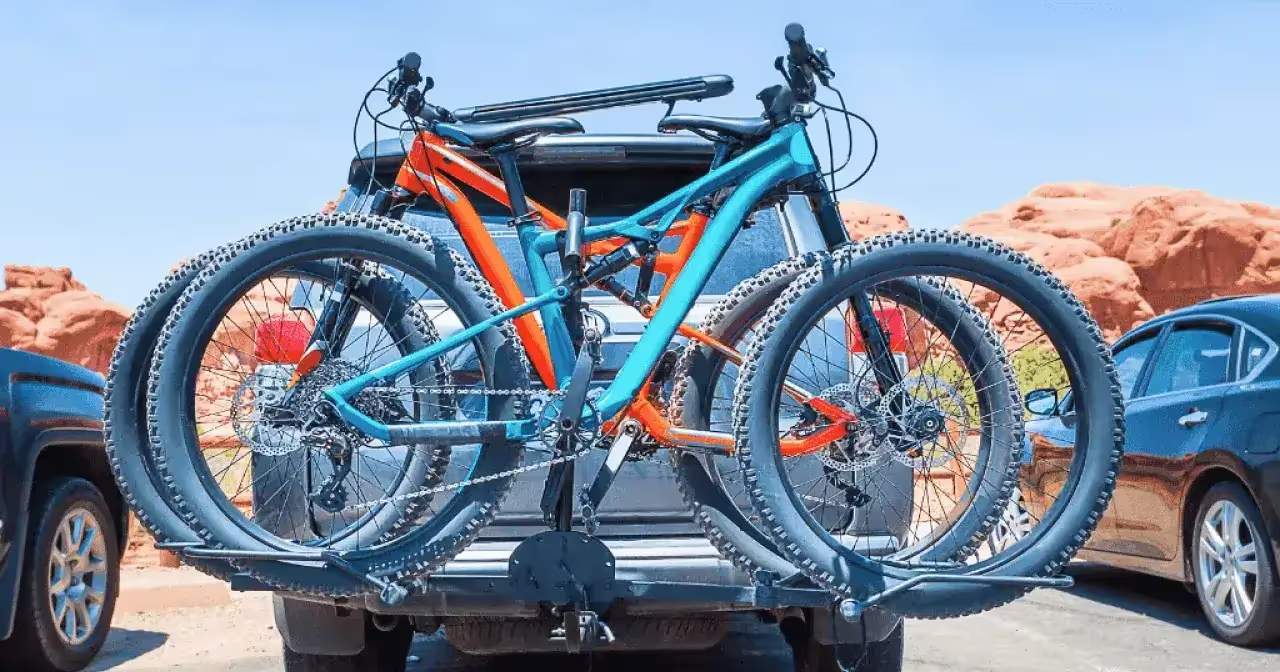
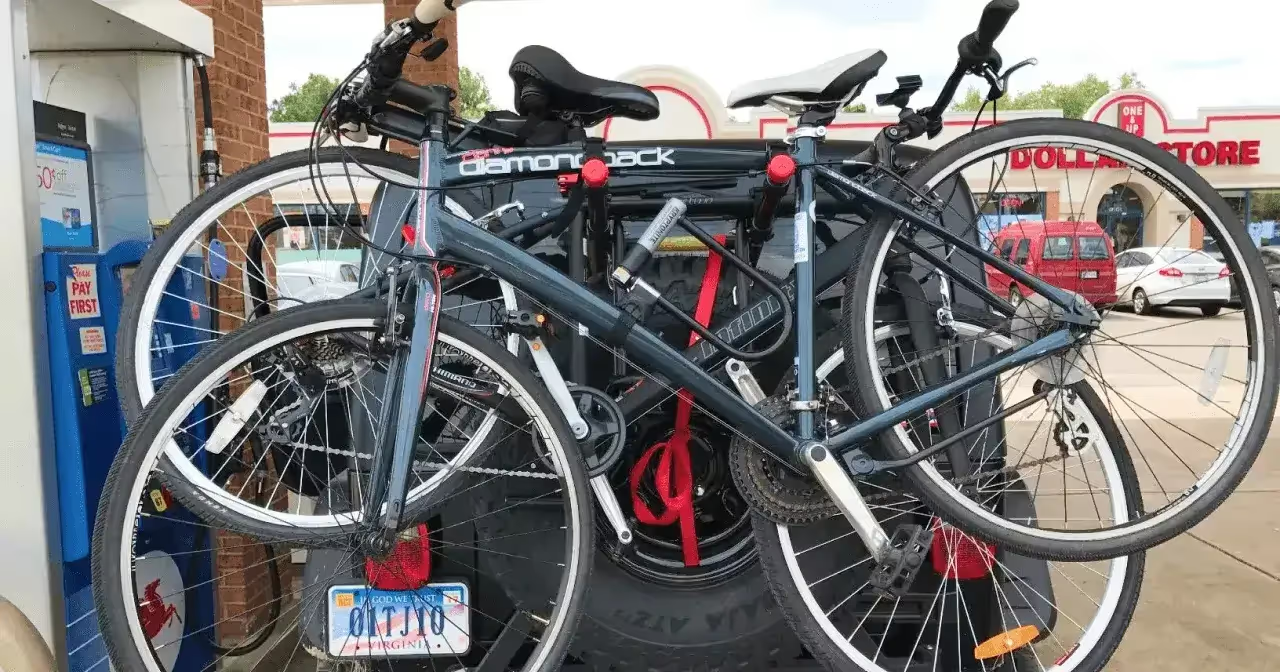
Reserverad-Fahrradträger werden direkt am Lochkreis des Reserverads verschraubt oder um das Reserverad geklemmt. Das verteilt das Fahrradgewicht über die Rad-Reifen-Einheit, statt es an den Karosseriepaneelen aufzuhängen. Für Jeep-Besitzer, die keine Kupplung nachrüsten wollen (oder ihre Kupplung bereits zum Anhängerziehen nutzen), ist es oft die logischste Lösung.
Wenn dein Reserverad unter dem Fahrzeug montiert ist (wie bei den meisten Limousinen und Crossovern), ist diese Kategorie nichts für dich — schau dir stattdessen unseren kompletten Guide zu allen fünf Fahrradträger-Typen an.
Hier häuften sich die Rückgaben. Leute kauften einen Reserverad-Träger, kamen nach Hause und merkten, dass er nicht mit ihrem Setup funktionierte. Hier sind die drei Dinge, die du unbedingt vor dem Kauf prüfen musst:
Durchschraubbare Träger ersetzen eine oder mehrere Radmuttern deines Reserverads mit verlängerten Schrauben, die durch die Montageplatte des Trägers gehen. Das ist die mit Abstand sicherste Option. Sie erzeugt eine starre Metall-auf-Metall-Verbindung, die nicht flext oder verrutscht. Der Nachteil: Du musst deinen Lochkreis kennen (5x127 ist Standard bei den meisten Wranglern, aber immer verifizieren), und die Installation dauert etwa 20 Minuten mit einem Radkreuz.
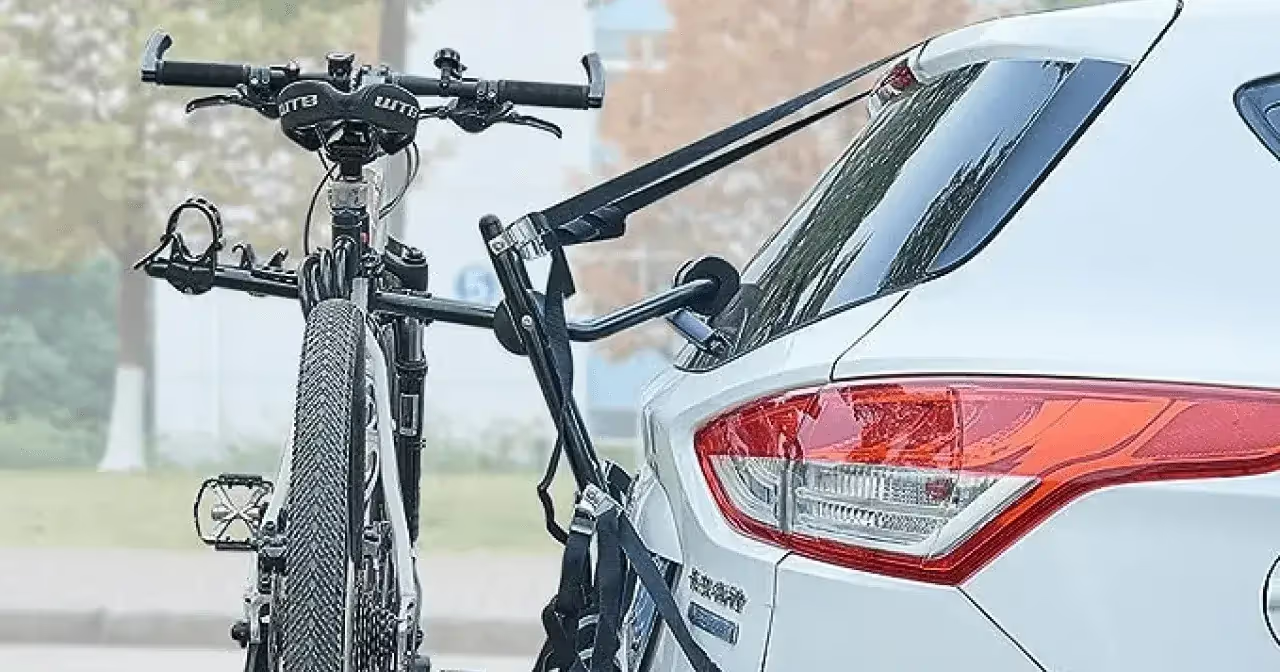
Umschnallbare Träger werden mit Hochleistungsgurten oder Klemmen um das Reserverad gewickelt. Sie sind schneller zu montieren und zu entfernen, verlassen sich aber auf Reibung und Kompression für den Halt. Auf Schotterpisten — dort, wo viele Jeep-Besitzer tatsächlich fahren — können umschnallbare Träger verrutschen.
Wenn du auf 35-Zoll-Reifen oder größer aufgerüstet hast (in der Jeep-Welt verbreitet), steht dein Reserverad weiter von der Heckklappe ab. Das verändert den Schwerpunkt und den Hebel, der auf die Heckklapppenscharniere wirkt. Die meisten Reserverad-Träger sind für Reifen bis 37 Zoll ausgelegt, aber je weiter der Reifen absteht, desto mehr Belastung übt das Gesamtgewicht von Reifen + Träger + Fahrrädern auf die Scharniere aus. Bei 40-Zoll-Reifen und zwei schweren Mountainbikes kannst du überschreiten, wofür das Werks-Heckklappenscharnier ausgelegt war.
Das ist das Detail, das Jeep-Besitzer unterscheidet, die ihre Hausaufgaben gemacht haben, von denen, die es nicht haben. Das JL-Wrangler-Heckklappenscharnier ist stärker als beim JK, aber keines von beiden wurde mit der Annahme gebaut, dass du 30+ kg Fahrradträger und Räder am Reserverad hängen würdest. Viele erfahrene Jeep-Besitzer installieren ein Heckklappen-Verstärkungskit (auch Scharnierverstärkung genannt), bevor sie einen Reserverad-Fahrradträger anbringen. Diese Kits kosten 75-140 € und bieten deutlich mehr strukturelle Unterstützung im Scharnierbereich. Wenn du regelmäßig zwei Fahrräder transportierst, besonders auf Geländefahrten, würde ich das eher als Pflicht als als Option bezeichnen.
Jeder Reserverad-Fahrradträger hat eine angegebene Tragfähigkeit, normalerweise irgendwo zwischen 16 und 36 kg. Aber es gibt zwei Gewichtszahlen, die du beachten musst:
Ein Träger mag für 32 kg ausgelegt sein, aber wenn der Träger selbst 9 kg wiegt und dein Heckklappenscharnier bereits durch ein übergroßes Reserverad belastet ist, hast du vielleicht nur 14-18 kg nutzbare Kapazität für Fahrräder. Standard-Mountainbikes wiegen 13-15 kg. E-Bikes wiegen 20-30 kg. Siehst du das Problem? Wenn du E-Bikes auf einem Reserverad-Träger transportieren willst, musst du extrem vorsichtig rechnen — und ehrlich gesagt ist ein AHK-Fahrradträger für schwere E-Bikes vermutlich die sicherere Wahl.
Der Yakima SpareRide ist seit Jahren ein Jeep-Community-Favorit, und die aktuelle Version bleibt meine erste Empfehlung. Er nutzt ein Durchschraubsystem, das an zwei Radschrauben des Reserverads befestigt wird und eine bombenfeste Verbindung schafft. Die Kapazität beträgt zwei Fahrräder bis je 16 kg (32 kg gesamt). Die Arme klappen flach zusammen, wenn sie nicht gebraucht werden — das klingt nebensächlich, aber niemand will ein permanentes Metallskelett an der Heckklappe beim Einkaufen.
Das Gute: Die Anti-Schwanken-Halterungen funktionieren tatsächlich. Minimaler Rad-zu-Rad-Kontakt. Passt für Reservereifen von 69 cm bis 81 cm ohne Modifikation, bis 94 cm mit der enthaltenen Verlängerung.
Aufgepasst: Bei Reifen über 94 cm musst du woanders suchen. Außerdem bedeutet das 16-kg-Limit pro Rad, dass die meisten E-Bikes nicht passen. Preis liegt typischerweise bei 230-275 €.
Kuat ist speziell wegen des Übergrößen-Reifen-Problems in den Reserverad-Markt eingestiegen. Der Highline passt für Reservereifen bis 40 Zoll und nutzt eine Drei-Punkt-Verschraubung für zusätzliche Stabilität. Der Träger hält zwei Fahrräder à 18 kg — immer noch nicht genug für die meisten E-Bikes, aber großzügig für Mountainbikes, Gravelbikes und Kinderräder.
Klarer Pluspunkt: Die integrierte Kabelschloss-Öse, das werkzeugfreie Fahrradbeladen und die Tatsache, dass Kuat das offensichtlich in Gesprächen mit echten Jeep-Besitzern entwickelt hat. Die Kippfunktion lässt dich die Heckklappe öffnen, ohne die Fahrräder abzunehmen — kritisch, wenn du am Trailhead an deine Ausrüstung musst.
Der Haken: Ein Premium-Produkt bei 320-370 €. Wenn du Serienbereifung fährst, zahlst du für eine Fähigkeit, die du nicht brauchst. Der Yakima SpareRide macht den gleichen Job für weniger Geld bei Standard-Setups.
Allen Sports stellt den umschnallbaren Reserverad-Träger her, den ich öfter verkauft habe als jeden anderen — hauptsächlich, weil er unter 100 € kostet. Der S-302 nutzt verstellbare Gurte, die sich um das Reserverad wickeln, und hält zwei Fahrräder. Er ist wirklich funktional für leichten, gelegentlichen Einsatz auf befestigten Straßen.
Was dafür spricht: Der Preis. Wenn du deinen Jeep zweimal im Jahr zum Familienurlaub mitnimmst und Fahrräder dabeihaben willst, macht es finanziell keinen Sinn, 300+ € für einen Durchschraubträger auszugeben. Der hier erledigt den Job für Gelegenheitsfahrer.
Ehrlich gesagt: Das ist ein Umschnall-Design. Es verrutscht auf schlechten Straßen. Die Schaumstoffpolster an den Kontaktstellen werden irgendwann zusammengedrückt und müssen ersetzt werden. Die 32-kg-Gesamtkapazität ist optimistisch — ich würde unter 25 kg bleiben, damit die Gurte nicht ausleiern. Wenn du mit Fahrrädern auf diesem Träger ins Gelände willst, überdenke das. Schau dir unseren Fahrradträger-Preisguide an für mehr Kontext, was du in verschiedenen Preisklassen bekommst.
Für die Fraktion mit ernsthaften Offroad-Setups — denk an Felsbumper, übergroße Reserveräder auf ausschwenkbaren Trägern — ist das Surco-System die Industriegrad-Option. Der OSJ1550-Träger zusammen mit dem BT200-Durchschraubadapter erzeugt eine Verbindung, die im Grunde Teil der Radnabe wird. Tragfähigkeit: 36 kg auf zwei Fahrräder verteilt.
Das überzeugt: Das Ding ist im besten Sinne überdimensioniert. Stahlkonstruktion mit Pulverbeschichtung, kräftige Montagehardware, und es ist für die Art von Geländebelastung gebaut, die einen Umschnallträger zerstören würde.
Nicht vergessen: Er ist schwer — der Träger selbst wiegt etwa 11 kg. Rechne das in deine Gesamtbelastung der Heckklappe ein. Er ist auch nicht der hübscheste Träger auf dem Markt, aber wenn du ihn an einen trail-gebauten Jeep schraubst, ist Ästhetik vermutlich nicht deine größte Sorge. Preis liegt bei 185-230 € für Träger plus Adapter.
Ich verbringe Zeit in Jeep-Foren und Besitzer-Gruppen, weil dort die ungefilterten Langzeit-Erfahrungsberichte leben. Hier ist, was immer wieder auftaucht:
Ja, kann er — aber der Schaden ist fast immer vermeidbar. Die häufigsten Probleme sind Heckklappenscharnier-Ermüdung (durch zu viel Gewicht über Zeit), Lackkratzer (durch verrutschende Umschnallträger) und Verschleiß der Verriegelung (durch die zusätzliche Hebelwirkung). Eine ordentliche Durchschraub-Installation mit einem Heckklappen-Verstärkungskit beseitigt oder reduziert alle drei Risiken dramatisch. Für einen tieferen Blick darauf, wie Träger dein Fahrzeug beeinflussen können, deckt unser Guide zur Vermeidung von Fahrradträger-Schäden das Thema im Detail ab.
Reserverad-Fahrradträger sind eine echte Lösung für Jeep-Besitzer, verlangen aber mehr Vorarbeit als andere Trägertypen. Du musst deine Reifengröße kennen, deinen Lochkreis, die Belastbarkeit deiner Heckklappe und das realistische Gewicht der Fahrräder, die du transportierst. Der Yakima SpareRide bleibt meine Top-Empfehlung für die meisten Jeep-Besitzer mit Serien- oder moderat vergrößerter Bereifung.
Der Kuat Highline ist die bessere Wahl, wenn du auf 37-Zoll-Reifen oder größer gegangen bist. Und wenn du ein knappes Budget hast und nur auf Asphalt fährst, erledigt der Allen Sports S-302 den Job für einen Bruchteil der Kosten.
Was auch immer du wählst: Bau ein Heckklappen-Verstärkungskit ein. Es ist die günstigste Versicherung, die du für deinen Jeep kaufen kannst, und das eine Upgrade, von dem jeder erfahrene Besitzer in der Community sagt, er wünschte, er hätte es früher gemacht. Wenn ein Reserverad-Träger nicht die richtige Lösung für deine Situation ist, schau dir unsere vollständige Aufschlüsselung aller fünf Fahrradträger-Typen an — es gibt eine bessere Option für jedes Fahrzeug und jedes Budget.
| Product | Brand | Score |
|---|---|---|
| Yakima SpareRide | Yakima | — |
| Allen Sports Premier S-302 | Allen Sports | — |
| Hollywood Racks SR2 | Hollywood Racks | — |
| Surco BT300 | Surco Products | — |
| Hooke Road JK Tailgate Reinforcement Kit (2007-2018 Wrangler) | Hooke Road | — |
| Dimaier 82215356AB Tailgate Bracket (2018-2021 JL Wrangler) | Dimaier | — |
Erwähnte Produkte
Related articles
Hand-picked price drops on the racks and carriers we actually recommend. Updated weekly.
Shop today's deals →Newsletter
Get the best rack deals in your inbox
Weekly picks, price drops, and honest reviews. No spam.
Hinweis: MyCargoRacks.com ist leserfinanziert. Wenn du über Links auf unserer Seite kaufst, erhalten wir möglicherweise eine Affiliate-Provision – ohne zusätzliche Kosten für dich. Mehr erfahren