
Why Magnetic Ski Racks? 2026 Buyers Guide with Examples
Quick answer
Curious about magnetic ski racks? Find out all you need to know about these innovative racks for easy and efficient ski transportation.
Disclosure: MyCargoRacks.com is reader-supported. When you buy through links on our site, we may earn an affiliate commission at no extra cost to you. Learn more
Magnetic ski racks are one of those products that people either love unconditionally or refuse to trust at all. The divide usually comes down to whether someone understands the physics involved or whether they're imagining their ~£594 skis flying off the roof at 70 mph. Both reactions are understandable — the technology is legitimately impressive, but the failure modes are real and worth understanding before you buy.
As an engineer, I find magnetic racks fascinating because they solve a genuine problem — mounting skis to a vehicle without any permanent rack hardware — using basic electromagnetic principles that have been reliable in industrial applications for decades. The question isn't whether magnets can hold skis to a car roof. The question is whether a specific product, at a specific price point, holds them safely under real-world driving conditions. Let me walk through the engineering, the products, and the honest limitations.
How Magnetic Ski Racks Actually Work
Every magnetic ski rack on the market uses neodymium rare-earth magnets — specifically, neodymium-iron-boron (NdFeB) magnets. These are the strongest permanent magnets commercially available.
The pull force printed on a magnet is measured against a thick steel plate machined nearly perfectly flat. Your roof is none of those things.
The Physics of Pull Force
Pull force is the maximum force required to separate the magnet from a flat steel plate when pulled straight away (perpendicular). This is the number manufacturers advertise — 200 pounds, 300 pounds, etc. It's a real measurement, but it's also the best-case scenario.
Here's what reduces effective pull force in real-world use:
- Air gap: Any space between the magnet and the steel roof reduces force, and the loss is steep rather than gradual. Maximum rated pull force occurs at zero air gap, which K&J Magnetics notes "cannot be seen in practical use of magnet materials" — paint, clearcoat, and the rack's own protective pad all sit in that gap. There is no single percentage-per-millimetre figure, because the fall-off curve depends on the magnet's own geometry, and because pull force scales with the square of flux density, a given drop in field strength costs you considerably more than the same percentage of holding force. What is worth knowing precisely: the rubber coating that protects your paint is itself a gap. K&J measure a rubber-coated magnet at about half the pull force of the same magnet uncoated. Every magnetic ski rack sold is coated.
- Surface curvature: Car roofs are curved, not flat. A flat magnet on a curved surface has reduced contact area, which reduces effective force. Premium magnetic racks use flexible or articulated magnet bases to conform to roof curvature.
- Shear vs. pull: Wind doesn't pull skis straight up off your roof — it pushes them sideways and backward (shear force). Magnets resist shear force far less effectively than direct pull. This is the load direction that governs a ski rack, and it is where the advertised number is least useful. K&J Magnetics advise assuming a coefficient of friction of "0.1 - 0.25 (which is roughly the friction between a nickel plated magnet and a steel surface)" and conclude that "you might only get 10% - 25% of the listed pull force when loaded this way." A rubber coating raises that coefficient, which is exactly why it is there — it buys back in friction some of what it costs in pull force.
- Temperature: Neodymium magnets lose strength at elevated temperatures, but this is irrelevant for ski rack use (you're operating in cold conditions). Cold temperatures actually improve neodymium magnet performance slightly.
- Roof material: Magnets only work on ferromagnetic surfaces — steel. If your vehicle has an aluminum roof (common on newer trucks, SUVs, and premium vehicles) or a carbon fiber/fiberglass roof, magnetic racks will not work at all. This is the single most important compatibility check.
What This Means in Practice
Stack those factors and you can see why I will not give you a single effective-holding-force number, and why you should distrust anyone who does. Work down the chain instead. The advertised figure is a laboratory maximum against machined flat steel. The rubber coating roughly halves it. The load you actually care about is shear, which the magnet manufacturer puts at 10–25% of what is left. Curvature takes more. Nobody publishes the product of those terms for a specific rack on a specific roof, and any number you see quoted as one has been calculated by somebody, not measured.
What that chain does tell you is where the margin lives. It is real for two pairs of skis on a clean, flat-ish steel panel at moderate speed — which is precisely the envelope these products are certified in, and precisely why manufacturers state a capacity rather than a force. Take the capacity. Ignore the pull-force marketing.
Where it stops working: sudden impacts (potholes, speed bumps at speed), crosswinds that change the load direction abruptly, and dirty or wet surfaces that reduce the friction component of the magnet's holding ability. The magnets don't "fail" in these scenarios — they can be momentarily overcome by forces that exceed their effective holding capacity.
Magnetic Racks vs. Traditional Crossbar-Mounted Racks
To be fair to both categories, here's how they compare on the metrics that actually matter:
Installation and Removal
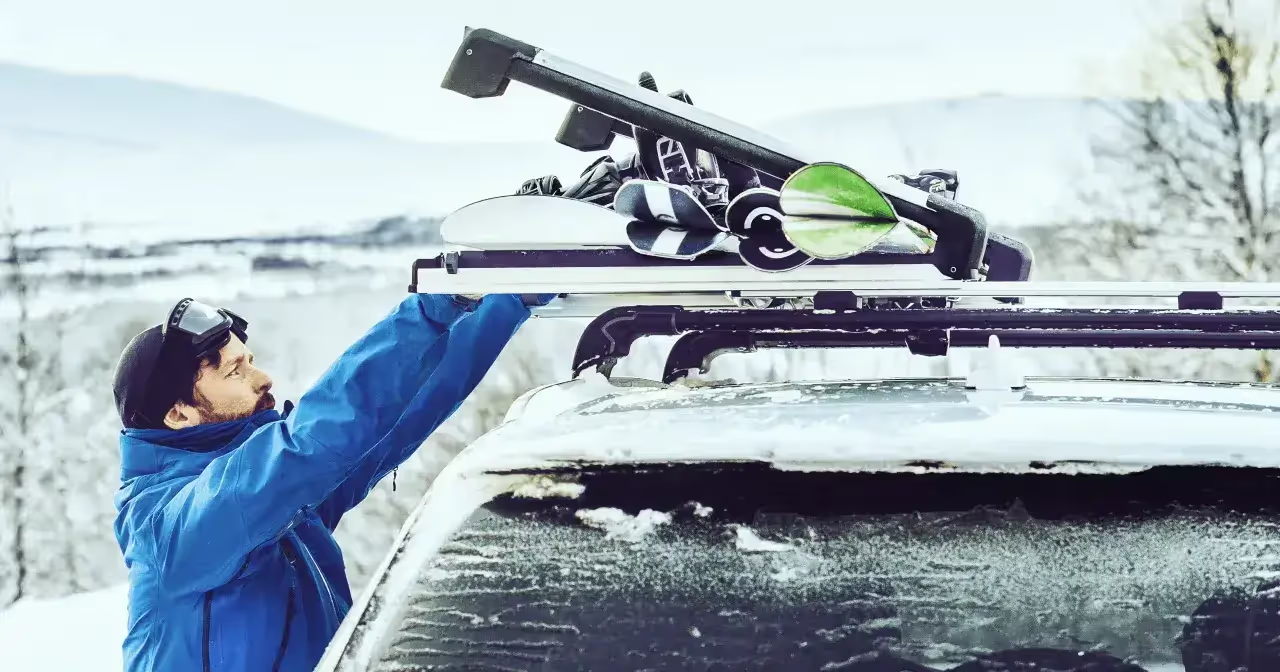
Magnetic racks: under 60 seconds. Place them on the roof, load skis, drive. Remove just as fast. No tools, no clips, no crossbars. This is the primary advantage, and it's genuinely significant for people who don't ski every weekend and don't want permanent roof hardware.
Traditional racks: require crossbars (permanent or semi-permanent installation), plus the ski carrier that mounts to the crossbars. Initial setup takes 30–60 minutes. After that, loading skis is fast, but the crossbars stay on your vehicle all season, adding wind noise and drag even when you're not carrying skis. For a detailed explanation of how traditional crossbar-mounted racks work, see our expert guide to ski rack mechanisms.
Security
Magnetic racks have essentially zero theft resistance. Anyone can pull the rack off your car — it's held on by magnets. Your skis are completely exposed and unsecured against theft.
Traditional racks can include keyed locks that secure skis to the carrier and the carrier to the crossbar. Not theft-proof, but theft-resistant.
Vehicle Compatibility
Magnetic racks work on any vehicle with a steel roof. No fit guide needed, no model-specific hardware. But they fail entirely on aluminum, fiberglass, or carbon fiber roofs.
Traditional racks work on any vehicle with compatible crossbars, regardless of roof material. The crossbar system handles the compatibility question, not the ski carrier.
Carrying Capacity
Published capacities for the certified magnetic carriers run 2–3 pairs of skis, or 2 snowboards. Crossbar-mounted carriers go to 4–6 pairs depending on the model. If you are a household of four skiers, that gap is the whole decision and nothing else in this article will change it.
Magnetic Ski Racks Worth Considering in 2026
A short note on how this section changed, because it matters more than the picks. An earlier version of this article recommended products under brand names and specifications I could not re-source to any manufacturer. They have been removed. What follows is limited to carriers whose maker publishes a capacity and holds a third-party approval — which, in this category, narrows the field considerably. That narrowing is itself the finding.
GEV Shark
GEV is an Italian manufacturer, and the Shark is the magnetic carrier I would point most people to first — not because it is the strongest, but because it is the one whose paperwork exists. GEV publishes a capacity of 2 pairs of skis, or 2 snowboards, or 1 pair of skis and 1 snowboard, on magnetic plates measuring 24 × 30 cm. The carrier is TÜV NORD GS approved and complies with ISO/PAS 11154:2007, the roof-load-carrier standard, having passed a city crash test, a dynamic test, and a static test.
What makes it work: plate area. Holding force scales with contact area, and 24 × 30 cm per plate is a large footprint by the standards of this category — it is doing the job through geometry rather than through magnet grade. The soft rubber pads that hold the skis are also what let the assembly sit against a curved panel without concentrating load at one edge.
What to know: two pairs is the rating, and I would treat it as the rating rather than as a starting point. GEV publishes no pull-force figure, and I consider that a point in their favour — the capacity is the number that was tested, and the pull force is the number that markets.
Menabò Aconcagua 3.0
Menabò is the other Italian house in this category, and the Aconcagua 3.0 is the higher-capacity option: 3 pairs of skis or 2 snowboards, with an integrated lock, and TÜV-GS certified. If you routinely carry a third pair, this is the one that does it with a certification behind the number.
What to know: the integrated lock is worth naming, because theft resistance is the category's structural weakness and this is the only meaningful answer to it that a magnetic rack can offer. It secures the skis to the carrier. It does not secure the carrier to the car, and nothing about a magnet can.
What I could not verify, and why I am saying so
Two things are conspicuously missing from this category and you should notice both. Almost no manufacturer publishes a maximum speed, and none publishes a pull force traceable to a test method. Where retail listings do quote a speed — the Aconcagua is widely listed as tested to 80 mph — it comes from the listing rather than from a document I can hand you. I run magnetic carriers well below any such figure regardless, because the speed is not the hazard. The gust that changes the load direction is, and no rating anticipates the day you get one.
When NOT to Use a Magnetic Ski Rack
I want to be direct about the scenarios where I'd tell you to skip the magnetic option:
- Aluminum roof: Won't work. Period. Check your vehicle's specs — many modern trucks (Ford F-150 with aluminum body), luxury SUVs, and Tesla models have aluminum roof panels.
- Panoramic glass roof: Won't work on the glass. Some vehicles have a small steel section between the glass panels, but it's rarely large enough for a magnetic rack.
- High-speed highway driving in open plains/mountain passes: Sustained crosswinds at 70+ mph create the worst-case loading scenario for magnetic racks. If your ski commute involves 90 minutes on I-70 through the Eisenhower Tunnel approach with gusting winds, use a traditional rack.
- Heavy loads: Four pairs of heavy downhill skis with bindings push the weight and aerodynamic profile to the edge of most magnetic racks' capacity. Two pairs is comfortable. Four pairs is marginal.
- When you need anti-theft: If you stop at a restaurant or bar after skiing with skis on your car, a magnetic rack offers zero protection against someone simply lifting your skis off the roof.
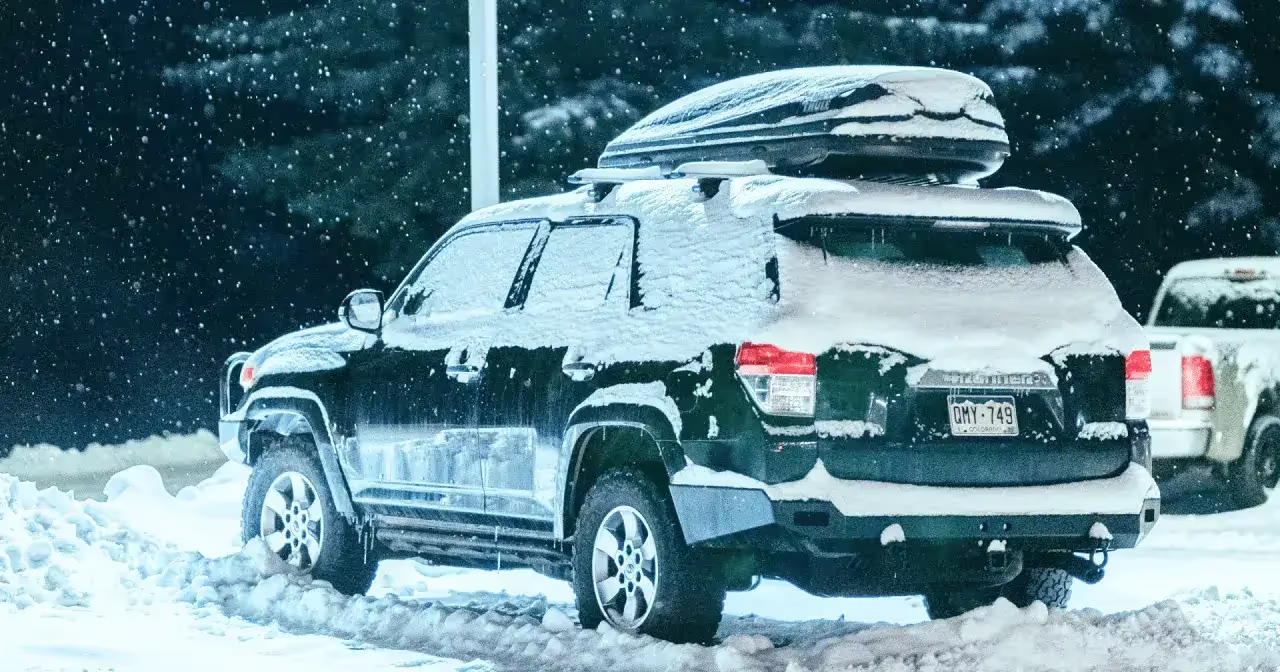
For understanding why traditional ski rack and cargo box systems cost what they do and what you get for that investment, our pricing analysis provides useful context.
Understanding why each system works, and where each one reaches its limits, is what keeps your gear on the roof and out of the highway.
Magnetic ski racks work. The physics is sound, the neodymium magnet technology is mature, and the certified products in this category have a real record behind them. The key is understanding that they work within defined limits — steel roofs only, moderate speeds, moderate loads, clean contact surfaces. If your use case fits within those parameters, a magnetic rack is a genuinely elegant solution that eliminates the need for permanent crossbars and all the noise, drag, and cost that come with them.
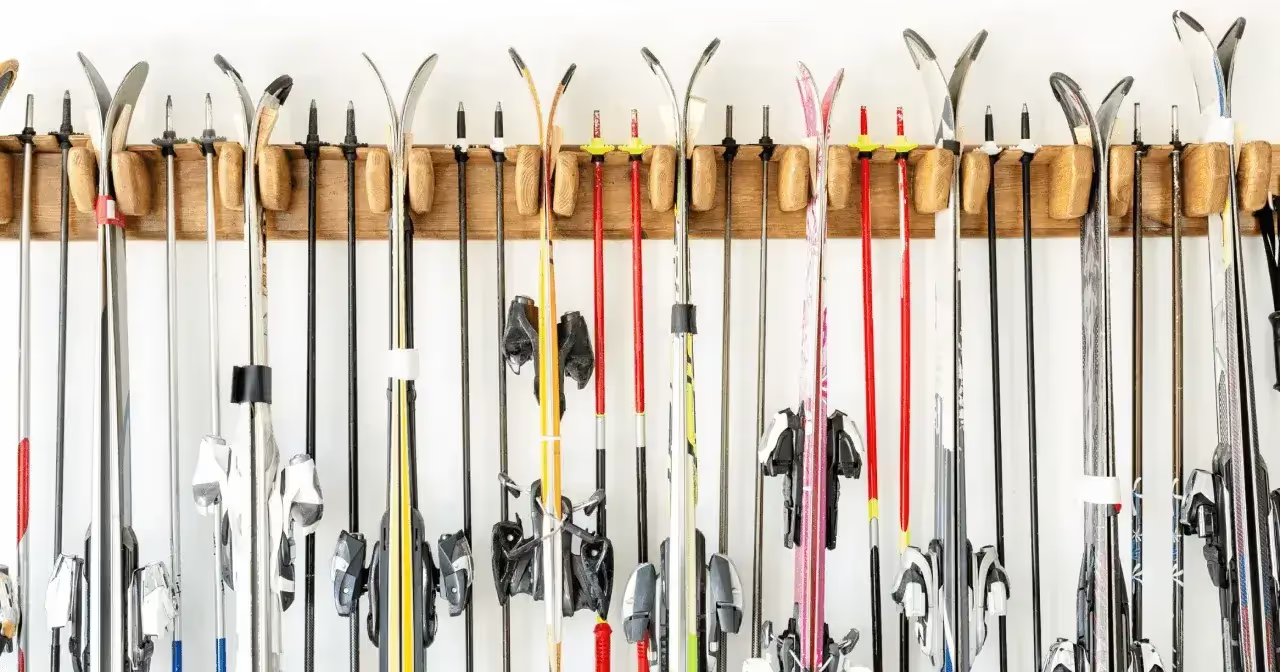
If your use case exceeds those parameters — aluminum roof, heavy loads, high-speed mountain highway driving — a traditional crossbar-mounted system is the safer engineering choice. There's no shame in choosing the more robust option. For garage storage of your skis and boards between trips, our garage rack guide covers the best wall-mount and freestanding options.
Sources
Every load rating, force figure, and fuel-economy number in this article traces to one of these. Checked 2026-08-04.
Frequently Asked Questions

Related articles
Keep reading
Deals Worth the Splurge
Hand-picked price drops on the racks and carriers we actually recommend. Updated weekly.
Shop today's deals →Newsletter
Get the best rack deals in your inbox
Weekly picks, price drops, and honest reviews. No spam.
Disclosure: MyCargoRacks.com is reader-supported. When you buy through links on our site, we may earn an affiliate commission at no extra cost to you. Learn more