Utilizamos cookies y análisis para mejorar su experiencia. Puede rechazarlos en cualquier momento.
Quick answer
Llevo cargando material en portaequipajes de enganche desde principios de los 2000, cuando tus opciones eran una bandeja de acero oxidado de la tienda de recambios o... una bandeja de acero oxidado...
Aviso: MyCargoRacks.com es un sitio financiado por lectores. Cuando compras a través de enlaces en nuestro sitio, podemos ganar una comisión de afiliado sin coste adicional para ti. Más información
Escrito originalmente por Michael Rollins en inglés, traducido y adaptado para relevancia local. Contenido investigado y localizado para lectores de España.
El precio puede variar. Los precios y la disponibilidad están sujetos a cambios.
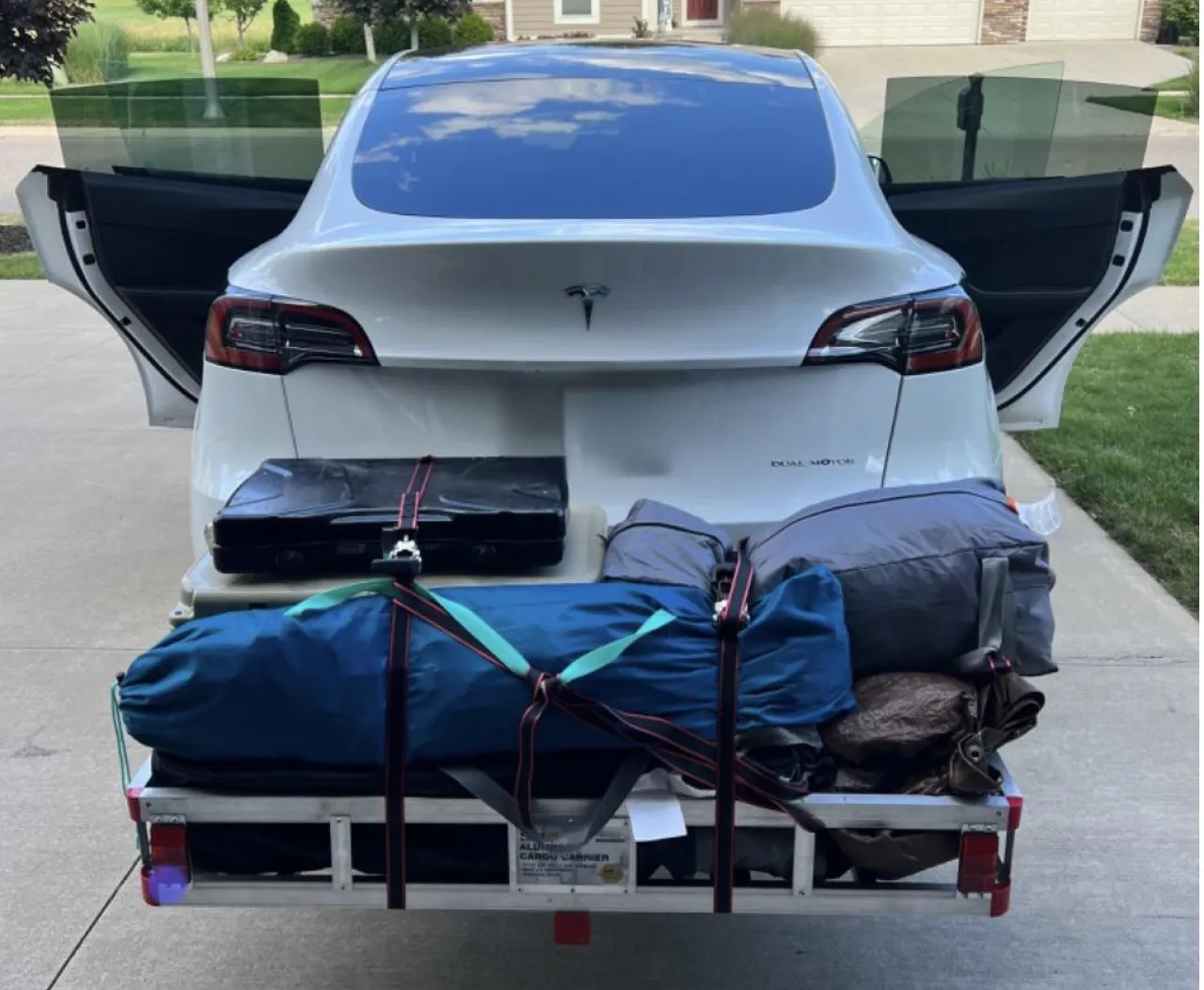
Llevo cargando material en portaequipajes de enganche desde principios de los 2000, cuando tus opciones eran una bandeja de acero oxidado de la tienda de recambios o... una bandeja de acero oxidado de otra tienda de recambios. El mercado en 2026 no tiene nada que ver con aquello. Hay plataformas de aluminio, cofres cerrados, sistemas modulares apilables y precios que te hacen parpadear.
Pero hay algo que la mayoría de webs de análisis no te cuentan: el portaequipajes en sí es solo la mitad de la ecuación. La otra mitad es entender el límite de peso en la lanza de tu enganche, mantener la matrícula y las luces visibles (sí, es un problema legal) y averiguar si realmente puedes cargarlo tú solo a las 6 de la mañana en el aparcamiento de un camping.
He probado cinco portaequipajes durante el último año. Algunos los compré yo, otros me los enviaron para analizar. Te contaré cuáles se han ganado un sitio permanente en mi garaje y cuáles acabaron en Wallapop en menos de una semana.
Cada enganche tiene dos valores: capacidad de remolque y peso en la lanza. La gente se obsesiona con la capacidad de remolque e ignora por completo el peso en la lanza. Para un portaequipajes, es justo al revés.
Tu portaequipajes cuelga de la lanza. Es un brazo de palanca que sobresale de la parte trasera del vehículo. Estas son las cuentas que importan:
Veo a gente cargar 90 kg de equipo de camping en un portaequipajes atornillado a un enganche Clase I y luego se preguntan por qué la parte trasera se hunde y la dirección se vuelve imprecisa. La etiqueta del portaequipajes puede decir 227 kg. A tu enganche le da igual lo que diga el portaequipajes. La física siempre gana.
Regla rápida: pesa tu portaequipajes cargado en una báscula de baño antes de tu primer viaje. En serio. Pon cada bolsa en la báscula.
Súmalo todo. Después compara ese total más el peso del portaequipajes con el peso en lanza de tu enganche. No con la capacidad de remolque. Con el peso en lanza. Lo encontrarás en el manual del vehículo o grabado en el propio receptor del enganche.
Esta decisión es más sencilla de lo que internet la hace parecer. Dos preguntas:
¿Necesitas protección contra la lluvia? Si la respuesta es sí, ve a por un cofre cerrado o consigue una plataforma más una bolsa impermeable. Yo llevo años usando la combinación bolsa-sobre-plataforma. Es más versátil. Puedes quitar la bolsa para objetos voluminosos como neveras y leña que no les importa mojarse.
¿Transportas material con formas raras? Las plataformas ganan aquí. Tablas, sillas de camping, neveras grandes, bolsas difíciles de manejar — una plataforma con un buen juego de correas de trinquete lo soporta todo. Los cofres cerrados tienen dimensiones fijas. Si tu equipo no cabe en el cofre, mala suerte.
Te lo digo por experiencia: Los cofres cerrados brillan para un caso de uso concreto: cosas que quieres tener bajo llave y ocultas. Viajes por carretera en los que paras en hoteles y no quieres descargarlo todo cada noche. Eso sí justifica la pérdida de flexibilidad.
Los portaequipajes de aluminio cuestan más. Normalmente un 40-60% más. ¿Merecen la pena?
Si cargas y descargas solo: sí. Un portaequipajes de aluminio de 14 kg frente a uno de acero de 32 kg marca una diferencia real cuando lo metes en el receptor sin ayuda. Mi espalda tiene opiniones al respecto.
Si dejas el portaequipajes puesto siempre y el precio importa: el acero va bien. Compra uno con un buen recubrimiento en polvo, dale a los puntos de montaje con aceite antioxidante una vez al año y te durará una década. Tengo un portaequipajes de acero Curt de 2017 que sigue perfecto. Óxido superficial en la rejilla, pero estructuralmente impecable.
El aluminio no se oxida, pero sí se deteriora y las soldaduras pueden agrietarse si el portaequipajes está mal fabricado. Aluminio barato es peor que acero bueno. Gasta el dinero en una marca de confianza en cualquier caso.
Thule por fin se ha puesto serio con los portaequipajes de enganche. El Arcos XL es su plataforma de gran formato y es el que cojo más a menudo. Te explico por qué.
La rampa integrada se despliega desde la parte trasera. Subes rodando las neveras y cajas pesadas en lugar de levantarlas a pulso hasta la plataforma. Cargué una YETI de 66 litros yo solo en esta cosa sin destrozarme la espalda. Solo eso justifica el precio para mí.
La calidad de construcción es nivel Thule, es decir, excelente construcción en aluminio y herrajes que no se aflojan. El sistema de fijación no tiene juego en un receptor de 50 mm con el perno de enganche incluido. Las dimensiones de la plataforma dan unos 152 x 61 cm de espacio útil. El diseño plegable se inclina 90 grados contra el vehículo cuando está vacío, así puedes abrir el portón trasero.
Lo malo: el precio. Ronda los 650 € en 2026. Es mucho para una bandeja de carga. Pero llevo más de un año con la mía con uso intensivo, y sigue como nueva tanto en aspecto como en funcionamiento. A veces la calidad cuesta lo que cuesta.
Peso en lanza: ~16 kg vacío. Muy manejable en un enganche Clase II o superior.
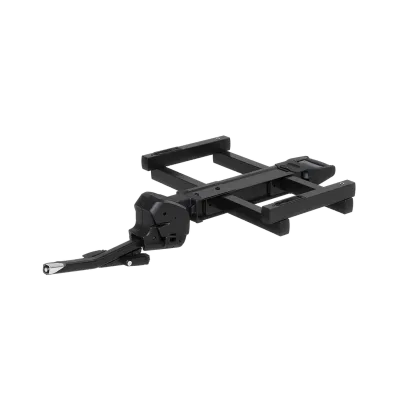
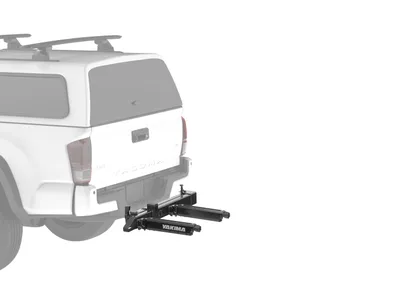
Yakima ha actualizado el sistema EXO para 2026 y ha solucionado la mayoría de mis quejas sobre el original. El concepto es una plataforma base que acepta módulos intercambiables — cofre de carga, cajón de material, portabicicletas, incluso un módulo de cocina para aventureros.
La versión 2.0 tiene una base más robusta con menos flexión, mejor alineación de los pasadores para los módulos superiores y el brazo giratorio ahora funciona suavemente. El del original era tan duro que necesitabas dos manos y buena palanca. El nuevo se maneja con una sola mano de verdad.
Es la elección correcta si cambias de actividad con frecuencia. ¿Viaje de esquí? Encaja el cofre de carga. ¿Fin de semana de BTT? Cambia al módulo de bicicletas. ¿Camping? Cajón de material. La modularidad funciona de verdad, algo raro en sistemas que prometen versatilidad.
Lo malo: la base más un módulo superior sale por 500-800 € según la configuración. Comprar el ecosistema completo se pone caro rápido. Y el sistema de fijación propietario significa que estás atado a los módulos de Yakima.
Peso en lanza: ~18 kg con base más cofre superior. Tenlo en cuenta.
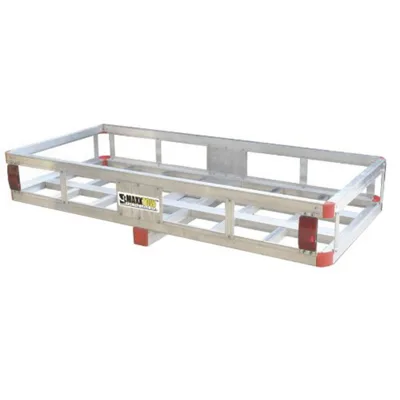
Este es el héroe de la clase trabajadora entre los portaequipajes. Construcción en acero, plataforma de rejilla, diseño plegable básico y un precio por debajo de 80 € que apenas ha variado en años.
Tengo uno de estos en la casa del lago de un amigo. Vive a la intemperie, se usa a fondo cada verano y lleva funcionando desde 2021.
El recubrimiento en polvo está regular en algunos puntos. Hay óxido superficial en la rejilla. Le da igual. Aguanta neveras, leña y equipo de pesca sin quejarse.
Para uso ocasional o si no tienes claro que lo de los portaequipajes sea lo tuyo, empieza por aquí. Si decides que quieres algo mejor después de una temporada, habrás arriesgado menos de cien euros para averiguarlo.
Lo malo: pesa bastante (~23 kg), la rejilla de la plataforma vibra en carreteras malas a menos que le pongas una alfombrilla de goma, y el mecanismo plegable es tosco. Sin rampa. Sin función de inclinación. Sin ningún refinamiento. Es una bandeja de acero atornillada a tu enganche.
Peso en lanza: ~23 kg vacío. Enganche Clase II como mínimo.
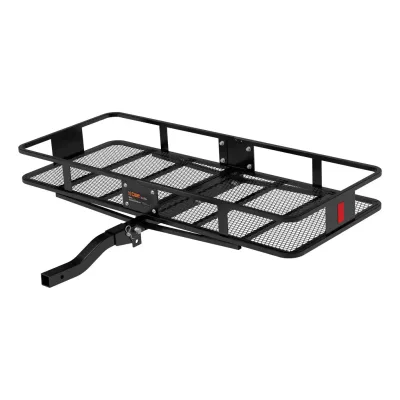
Curt lleva fabricando accesorios de enganche desde antes de que algunos de sus competidores existieran. El Universal Elite es su plataforma de aluminio, y da en el clavo entre el presupuesto MaxxHaul y el premium Thule.
La construcción en aluminio lo mantiene en unos 16 kg. El acabado anodizado resiste bien — el mío tiene dos años y el desgaste estético es mínimo. Los laterales son lo bastante altos para ser útiles, y la rejilla elevada impide que el material quede sobre charcos.
Capacidad nominal de 227 kg, aunque alcanzarás el límite de peso en lanza de la mayoría de enganches mucho antes. El sistema de pasador y clip es básico pero efectivo. Le puse un dispositivo antivibración de enganche por 15 € y el conjunto queda sólido como una roca.
Lo malo: sin rampa, sin función de inclinación. Los laterales van soldados, no son plegables, así que ocupa un espacio fijo para almacenar. A 250-300 €, está justo en la mitad del mercado.
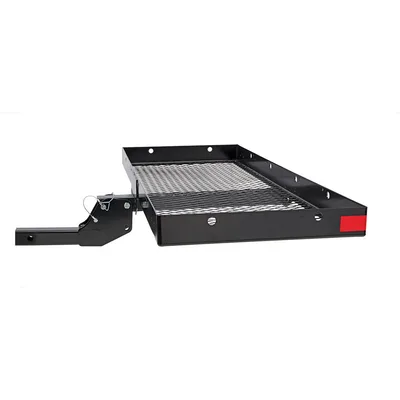
Si quieres un portaequipajes cerrado con cerradura que no cueste una fortuna, el Rambler es a donde te dirigiría. Tiene un espacio adecuado (aproximadamente 122 x 56 x 56 cm de interior), cerradura con llave y un sellado razonable contra la intemperie.
Lo usé en un viaje de dos semanas por el sureste. Dejé el equipo en aparcamientos de hoteles cada noche sin descargar. Esa comodidad es real. La cerradura no es la de una caja fuerte, pero frena el robo casual y mantiene honesta a la gente honesta.
Lo malo: pesa mucho. Unos 34 kg vacío. Necesitas un enganche Clase III como mínimo, e incluso así estás quemando 34 kg de peso en lanza antes de meter nada dentro. La carcasa de plástico puede agrietarse si lo sobrecargas o pillas un bache grande a velocidad. Y la aerodinámica... digamos que "no fue una prioridad en el diseño". Espera una bajada de consumo notable.
Todos y cada uno de los portaequipajes de esta lista van a ocultar tu matrícula en algún grado cuando estén cargados. Varios también bloquearán las luces traseras. Esto es un problema legal en toda España. Me han parado por ello. No es agradable.
Soluciones, ordenadas por lo que yo realmente uso:
No te la juegues con esto. Una multa cuesta más que las tres soluciones juntas.
Las fotos publicitarias muestran a dos personas sonrientes colocando con cuidado una bolsa perfectamente empaquetada en un portaequipajes. La realidad eres tú, solo, en un camino de entrada oscuro a las 5 de la mañana intentando levantar una bolsa de 27 kg hasta una plataforma que te queda a la altura de la cadera.
No te voy a engañar: Consejos de alguien que carga solo constantemente:
Un portaequipajes de enganche es una de las mejoras más prácticas que puedes hacer a cualquier vehículo con receptor de enganche. Más accesible que un cofre de techo, más barato que un remolque y utilizable todo el año.
Mi recomendación honesta para la mayoría: empieza con el MaxxHaul o el Curt si no tienes claro. Úsalo una temporada. Si ves que cargas material habitualmente, pasa al Thule Arcos o al sistema Yakima EXO. Las opciones económicas te dirán qué prestaciones realmente necesitas sin un gran compromiso económico.
Y por favor — soluciona lo de la matrícula y las luces antes de tu primer viaje. No después de la multa. Echa un vistazo a nuestra guía completa sobre legalidad de los portaequipajes de enganche para asegurarte de que tu configuración es legal en tu comunidad autónoma.
¿Tienes una configuración de portaequipajes que te funciona bien? Me gustaría saberlo. Deja un comentario abajo o envíame un mensaje. Los leo todos.
Best Overall Thule Arcos Tilt Platform 1.25" | Best Modular Yakima EXO SwingBase | Best Budget MaxxHaul 70108 Hitch Cargo Carrier 500 lbs | Best Mid-Range CURT 18153 Basket-Style Cargo Carrier | Best Enclosed Reese Explore 500 lbs Basket Cargo Carrier | |
|---|---|---|---|---|---|
| Weight Capacity | 500.0 | 500.0 | 500.0 | 500.0 | 500.0 |
| Weight | 37.5 | 68.5 | 29.0 | 42.0 | 35.0 |
| Length | 44.9 | 49.0 | 49.3 | 60.0 | 60.0 |
| Width | 27.6 | 34.0 | 22.5 | 24.0 | 20.0 |
| Height | 13.4 | 9.5 | 7.3 | 6.0 | 2.5 |
| Material | Composite | Steel | Steel | Carbon Steel | Steel |
| Mounting | Hitch Receiver | Hitch Receiver | Hitch Receiver | Hitch Receiver | Hitch Receiver |
| Installation | Basic Tools | Basic Tools | Basic Tools | Basic Tools | Basic Tools |
| Noise Rating | Silent | Silent | Silent | Silent | Silent |
| Security | High | None | None | None | None |
| Lock Included | Yes | — | — | — | — |
| Value Score | 85 | 90 | 89 | 88 | 86 |
| Ease of Use | 88 | 90 | 84 | 86 | 84 |
| Build Quality | 92 | 87 | 66 | 74 | 72 |
| Foldable | No | No | No | Yes | No |
| Score | 91/100 | 91/100 | 82/100 | 85/100 | 83/100 |
| Check Price | Check Price | Check Price | Check Price | Check Price |
Thule Arcos Tilt Platform 1.25"
Yakima EXO SwingBase
MaxxHaul 70108 Hitch Cargo Carrier 500 lbs
CURT 18153 Basket-Style Cargo Carrier
Reese Explore 500 lbs Basket Cargo Carrier
Productos mencionados
Related articles
Hand-picked price drops on the racks and carriers we actually recommend. Updated weekly.
Shop today's deals →Newsletter
Get the best rack deals in your inbox
Weekly picks, price drops, and honest reviews. No spam.
Aviso: MyCargoRacks.com es un sitio financiado por lectores. Cuando compras a través de enlaces en nuestro sitio, podemos ganar una comisión de afiliado sin coste adicional para ti. Más información